How to plan a corporate headshot day for your team
If you've ever been the person at your company tasked with "getting everyone's headshots updated," you already know the particular kind of stress that comes with it. You're coordinating schedules, managing personalities, fielding questions about what to wear, and hoping - really hoping - that it all comes together on the day. The good news is that a corporate headshot day doesn't have to be chaotic. With the right photographer and a little upfront planning, it can actually be one of the smoothest, most rewarding things you do for your team all year. Here's how I approach it with my corporate clients, and what you can do on your end to make it a success.
Start with a clear headcount and timeline - earlier than you think.
The first thing I need to know when a company reaches out is how many people we're photographing. That number drives everything: how many hours we'll need, whether we need one shooting setup or two running simultaneously, and how to structure the day so no one is waiting around for forty-five minutes past their slot. As a general rule, I plan for roughly ten to fifteen minutes per person for a standard headshot session - enough time to get a couple of solid looks without anyone feeling rushed. If you have fifty employees, that's a full day. If you have fifteen, we might be done by lunch. Know your headcount before you reach out to a photographer, and start coordinating calendars at least three to four weeks out.
Choose the right location for your brand.
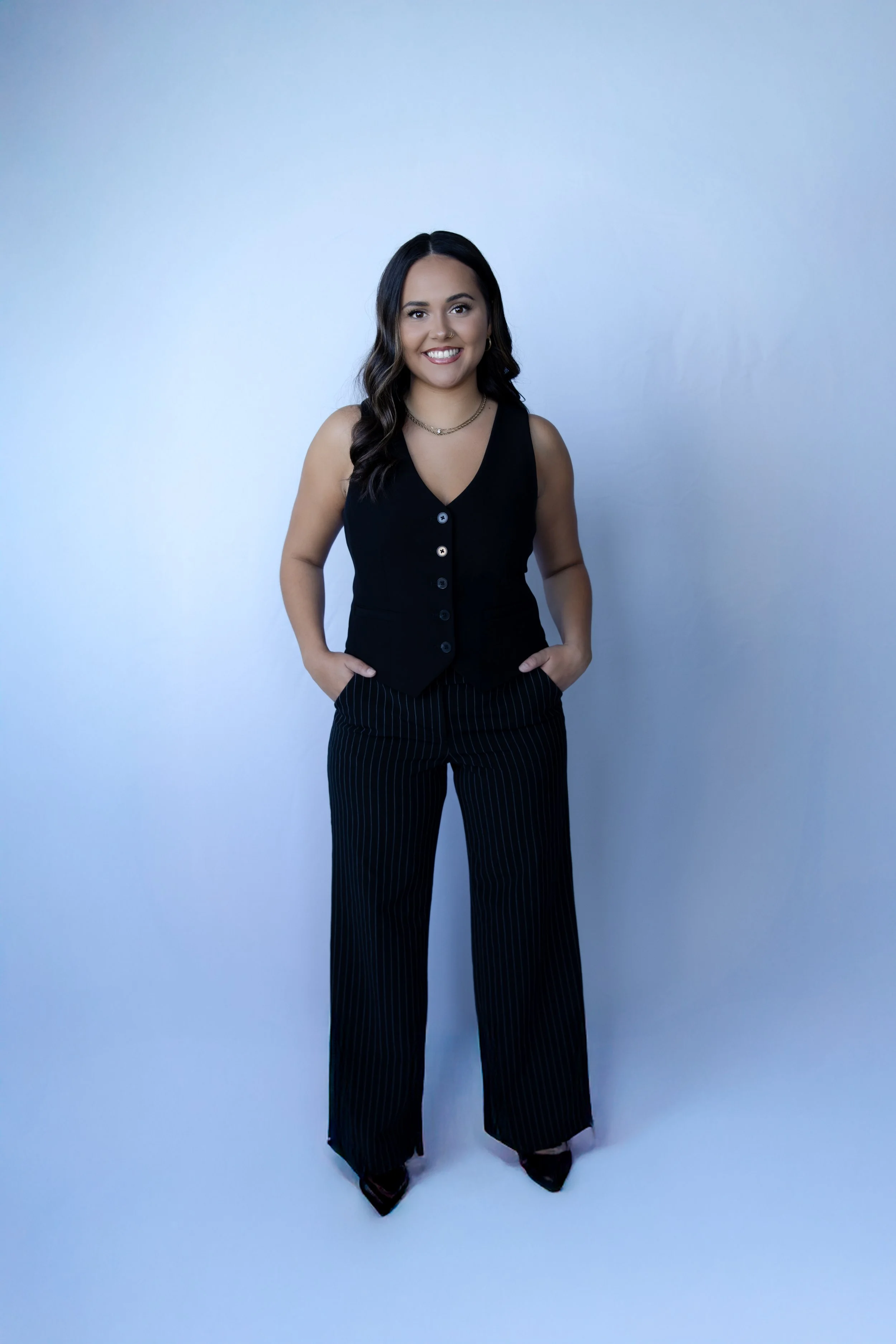
One of the first decisions you'll make is whether to shoot on-site at your office or at a studio. There's no universally correct answer - it depends on your brand, your space, and what you want the final images to communicate. On-site shoots are convenient (no one has to travel), and they can incorporate your actual environment, which works beautifully for companies that want images showing real context. Studio shoots offer more control: consistent light, a clean backdrop, and a professional environment that signals polish. I offer both, and I always recommend talking through your brand identity before deciding. A law firm and a creative agency might both need great headshots, but the feel of those headshots should be very different.
Think about consistency - it matters more than you'd think.
When headshots are used across a website, LinkedIn profiles, email signatures, or press materials, visual consistency across the team creates a sense of cohesion and professionalism that clients and partners notice, even if they can't articulate why. This means agreeing on a background color or style, a general lighting approach, and whether you want portraits to be full bust, cropped at the chest, or with a little more environmental context. I'll help you think through these decisions, but it's worth having internal alignment before the shoot day so we're not making it up as we go.
Send a prep guide to your employees - and actually make them read it.
This is one of the most impactful things you can do as the organizer, and it's often skipped. When employees show up to a headshot day without knowing what to expect, they're anxious. Anxious people tense up, which shows in photos. A simple prep guide - even just a short email - that covers what to wear, how to do their hair and makeup, what the process will look like, and how long they should plan to be there makes a dramatic difference in how people arrive. I provide a prep document for corporate clients that you can send directly to your team. The five minutes it takes to share it is worth it.
Get specific about wardrobe guidance.
Wardrobe is where most teams go wrong, and the results show up in the final images. Someone wears a bright pattern that pulls focus. Someone else wears the exact same color as the backdrop. Another person shows up in a t-shirt when everyone else is business casual. You don't need to mandate a uniform, but you do need to give clear guidance. Generally, I recommend solid, medium-toned colors that photograph well - navy, charcoal, burgundy, forest green, white, and soft gray are all reliable choices. Tell people to avoid: busy patterns, neon colors, white against a white backdrop, and anything they'd only wear on a lazy Sunday. If your company has a brand color, having some team members incorporate it subtly can add nice cohesion.
Build buffer time into the schedule.
I cannot stress this enough: something will run late. Someone will be in a meeting that goes long. Someone else will spill coffee on their shirt and need ten minutes to recover. A team member will get to the front of the line and suddenly have seventeen questions they forgot to ask. Buffer time isn't pessimism - it's professionalism. I typically build five minutes of flex into each hour of shooting, and I recommend leaving at least fifteen to twenty minutes at the end of the day unscheduled. It's far better to finish early than to have the last three people on the list feel like they were rushed through as an afterthought.
Designate an internal point of contact.
On the day of the shoot, you need one person at your company who is coordinating the flow of employees, answering logistical questions, and communicating with me if anything changes. This doesn't have to be a full-time job - just someone who is paying attention and empowered to make small decisions. Without this person, headshot days can drift. People show up out of order, someone gets missed entirely, and the photographer ends up playing air traffic controller instead of focusing on making great images. A clear internal point of contact keeps things moving smoothly for everyone.
Brief your leadership separately, if needed.
I've found that senior leaders and executives sometimes need a slightly different approach than the rest of the team. They may have less time, more specific opinions about how they want to be represented, or more pressure around how their image is used publicly. A quick conversation between me and your CEO or VP ahead of time - even five minutes - can make their session feel tailored rather than assembly-line. If you're planning a headshot day for a large team, it's worth flagging which individuals might benefit from a little extra intention.
Plan for different uses of the images.
Before the shoot, get clear on where these images will actually live. Will they go on the company website? LinkedIn? A press kit? Internal directories? Printed materials? The answer affects how I shoot. For example, if images will be used in a website layout that crops portraits to a specific ratio, I'll frame the shots accordingly. If LinkedIn is the primary platform, a tighter, more personal crop often works best. If you need both a formal headshot and a more casual lifestyle-style image of each person, tell me that upfront - we can build it into the session flow rather than treating it as an afterthought.
Create a comfortable environment on the day.
The atmosphere of a headshot day is entirely within your control, and it matters. People photograph better when they feel relaxed, and they feel relaxed when the environment signals that this is a positive experience, not a mandatory inconvenience. Set up a comfortable waiting area with water and snacks. Play low background music in the shooting space. Let people know there's no pressure to get it perfect on the first frame - that's my job to manage, not theirs. A little warmth in the environment goes a long way toward getting images that actually look like your people at their best, rather than deer in headlights.
Follow up on delivery and usage rights.
After the shoot, make sure you understand how your images will be delivered, in what file formats, and what the usage rights cover. For corporate work, I deliver high-resolution files suitable for both print and web, along with web-optimized versions ready for immediate upload. I'll walk you through exactly what you're receiving and how to use it. If you anticipate needing to add team members in the future, let's talk about establishing a consistent style so future shoots can match what we did today - nothing looks more disjointed than a team page where half the photos are from 2019 and half are from last month.
A well-planned corporate headshot day isn't just a logistical exercise - it's an investment in how your company shows up in the world. When your team's images are cohesive, professional, and genuinely representative of who they are, it builds trust with clients before a single conversation takes place. That's a return worth planning for. And when the day itself is calm, efficient, and even a little fun, your team walks away feeling valued - which is never a bad thing to communicate.
If you're thinking about scheduling a headshot day for your company, I'd love to talk through what that could look like for your specific team. Reach out anytime - I'm happy to answer questions, walk you through my process, and help you figure out the right approach before you commit to anything.
