How to choose a wedding photographer you'll actually love
Of all the vendors you'll hire for your wedding, your photographer is the one you'll spend the most time with on the actual day. More than your florist, more than your caterer, more than your DJ - your photographer will be by your side from getting ready in the morning to your last dance at night. And long after the flowers have wilted and the cake has been eaten, the photos are what remain. They're the thing you'll pull out on your tenth anniversary, the thing you'll show your kids, the thing that will carry the feeling of that day forward for the rest of your life. Which means choosing the right photographer isn't just a vendor decision. It's one of the most personal choices you'll make in your entire wedding planning process.
So why do so many couples treat it like a line item?
I've talked to enough newly engaged people to know that the most common approach to photographer shopping goes something like this: Google "wedding photographers near me," click on the first few results, compare prices, pick the one that seems reasonable. And I understand why - wedding planning is overwhelming, budgets are real, and when you have fifty decisions to make in a short window of time, efficiency feels necessary. But I want to make the case that this particular decision deserves more than efficiency. It deserves intention. And I want to help you know what to actually look for.
Start with style, not price.
Before you look at a single price list, spend time looking at wedding galleries. Not just the highlight images photographers put on their Instagram - full galleries, start to finish. A highlight reel can make almost anyone look good. A full gallery tells the truth. Does the photographer's work feel consistent throughout? Do the images in the middle of the day, when the light is flat and people are tired, look as good as the golden hour portraits? Can they shoot in a dark reception hall without everything looking grainy and yellow? Style is personal and there's no wrong answer, but you need to know what you're drawn to before you can evaluate whether a photographer can deliver it. Look at a lot of work before you start making calls.
Understand the difference between styles.
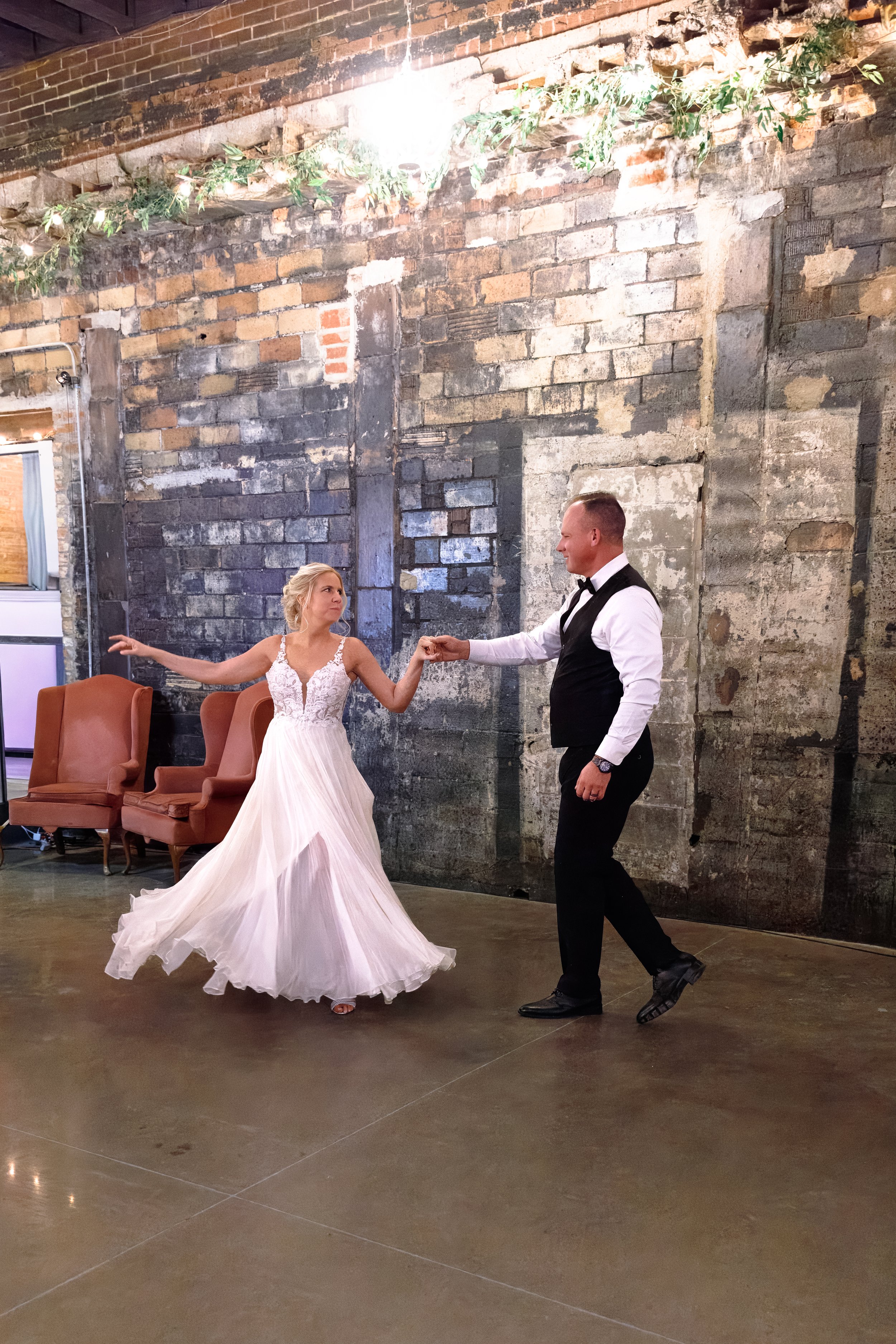
Wedding photography broadly falls into a few camps: traditional/posed, editorial, documentary/photojournalistic, and fine art. Most photographers are a blend of two or more, but usually lean in one direction. Traditional photography prioritizes formal portraits and family groupings. Documentary photography prioritizes capturing moments as they unfold, with minimal direction. Editorial work tends to be more stylized and dramatic - think fashion-forward lighting and composition. Fine art photography often has a film-inspired, timeless quality. None of these is better than another. The question is which resonates with how you want your wedding to be remembered, and whether the photographer you're considering actually excels in that style - not just claims to.
Chemistry matters more than you might expect.
Here's something no one tells you when you start photographer shopping: the images your photographer takes on your wedding day will be shaped, in part, by how comfortable you feel around them. If you find your photographer mildly annoying, that is going to show up in your face during your portraits. If they make you laugh, feel at ease, and trust them completely - that shows up too. A lot of couples feel pressure to book the most technically impressive photographer they can afford. But I'd argue that the photographer you genuinely click with will serve you better than the most technically impressive one who makes you feel like a subject rather than a person. Meet before you book. If possible, meet in person. Pay attention to how you feel leaving the conversation.
Ask the right questions during consultations.
A photographer's website can tell you what they shoot. A consultation tells you who they are. When you meet with potential photographers, go beyond "how many photos will we get?" and "how long until we receive our gallery?" Ask them how they handle stressful moments - a timeline that's running behind, a family member who's difficult to wrangle, unexpected rain during outdoor portraits. Ask them what they do when the light is terrible. Ask them what their favorite part of a wedding day is. The answers reveal how experienced they are, how they think under pressure, and whether they approach their work with genuine care or just technical competence. Both matter. You need someone who has both.
Look at their experience in venues similar to yours.
Not all photographers perform equally in all environments. Some are extraordinary outdoors but struggle in low-light indoor receptions. Some have mastered dark, moody churches but have limited experience shooting in bright, airy garden venues. Ask potential photographers if they've shot at your venue before - or if not, whether they've worked in similar spaces. A photographer who has never navigated a difficult lighting situation before your wedding is not who you want figuring it out for the first time on your day. If they haven't been to your venue, ask if they'd be willing to do a walkthrough beforehand. A good photographer will say yes without hesitation.
Understand exactly what you're paying for.
Photography pricing varies wildly, and it can be hard to understand why one photographer charges twice what another does. Some of the factors that drive price: years of experience, the quality of their equipment, the time they spend editing (some photographers spend as many hours behind a computer as they do behind a camera), whether a second shooter is included, the turnaround time on delivery, and whether products like albums or prints are part of the package. When you're comparing quotes, make sure you're comparing the same things. A seemingly expensive photographer who includes a second shooter, a full-day timeline consultation, and a custom album may actually be a better value than a cheaper option that delivers 200 unedited JPEGs and calls it done.
Pay attention to the contract.
This is the part that feels boring but genuinely protects you. Before you sign anything, read the full contract. What happens if your photographer gets sick on your wedding day? Is there a backup plan in place? What are the terms around image delivery - is there a guaranteed timeline? What are the usage rights for your images - can you print them freely, share them freely? Are there any exclusivity clauses that restrict how your photos can be used? A reputable photographer will have a thorough contract, and they won't be offended if you ask questions about it. If a photographer operates on a handshake agreement or a two-sentence email, that's a red flag, not a deal.
Trust your instincts about their communication style.
Before you're even a client, you can learn a lot from how a photographer communicates. Do they respond to your inquiry promptly and warmly? Are their emails clear and professional? Do they seem genuinely interested in your wedding, or does every interaction feel like you're one of fifty inquiries they're processing this week? Communication style before the wedding is a preview of communication style during the planning process - and you will have a lot of touchpoints between booking and your wedding day. You want someone who is responsive, organized, and makes you feel like a priority, not an afterthought.
Don't book purely based on a trend.
Certain photography styles cycle in and out of popularity, and it's tempting to chase whatever looks good on Pinterest right now. The danger in booking a photographer solely because their current aesthetic is trending is that trends shift. What feels impossibly cool today can feel dated in five years. When you're choosing a photographer, think less about what's popular and more about what feels timeless to you - images you'll still love when you're fifty, not just images that would perform well on Instagram this spring. The photographers whose work holds up over decades tend to prioritize light, emotion, and composition over filters and effects. Look for that quality.
Ask to see an album if they offer them.
If prints and albums are something you're considering - and I genuinely hope they are - ask to hold a sample album before you book. Photos on a screen look different than photos in print, and there's something about holding a well-made album that communicates quality in a way no website can. The weight of the paper, the binding, the way images are sequenced across spreads - a photographer who takes their album products seriously has usually put a lot of thought into how their images are meant to be experienced. It's a small thing to ask for, and a very telling one.
At the end of the day, the best wedding photographer for you is the one whose work makes you feel something, whose personality makes you feel comfortable, and whose professionalism makes you feel confident. That combination - emotional resonance, genuine connection, and proven reliability - is what separates a wedding photographer you'll be glad you hired from one you'll love for the rest of your life. Take your time, ask your questions, and trust yourself. You'll know when it's right.
If you're newly engaged and starting the search, I'd love to be part of your consideration. Feel free to reach out - I'm always happy to chat, answer questions, and help you figure out if we're a good fit, even if that fit turns out to be with someone else. This day matters too much for anything less than the right match.
